Comprehensive Sexuality Education
Let's make sexuality easy to understand and talk about.
Accurate, age-appropriate information on bodies, relationships, health and rights – for young people, parents and educators.
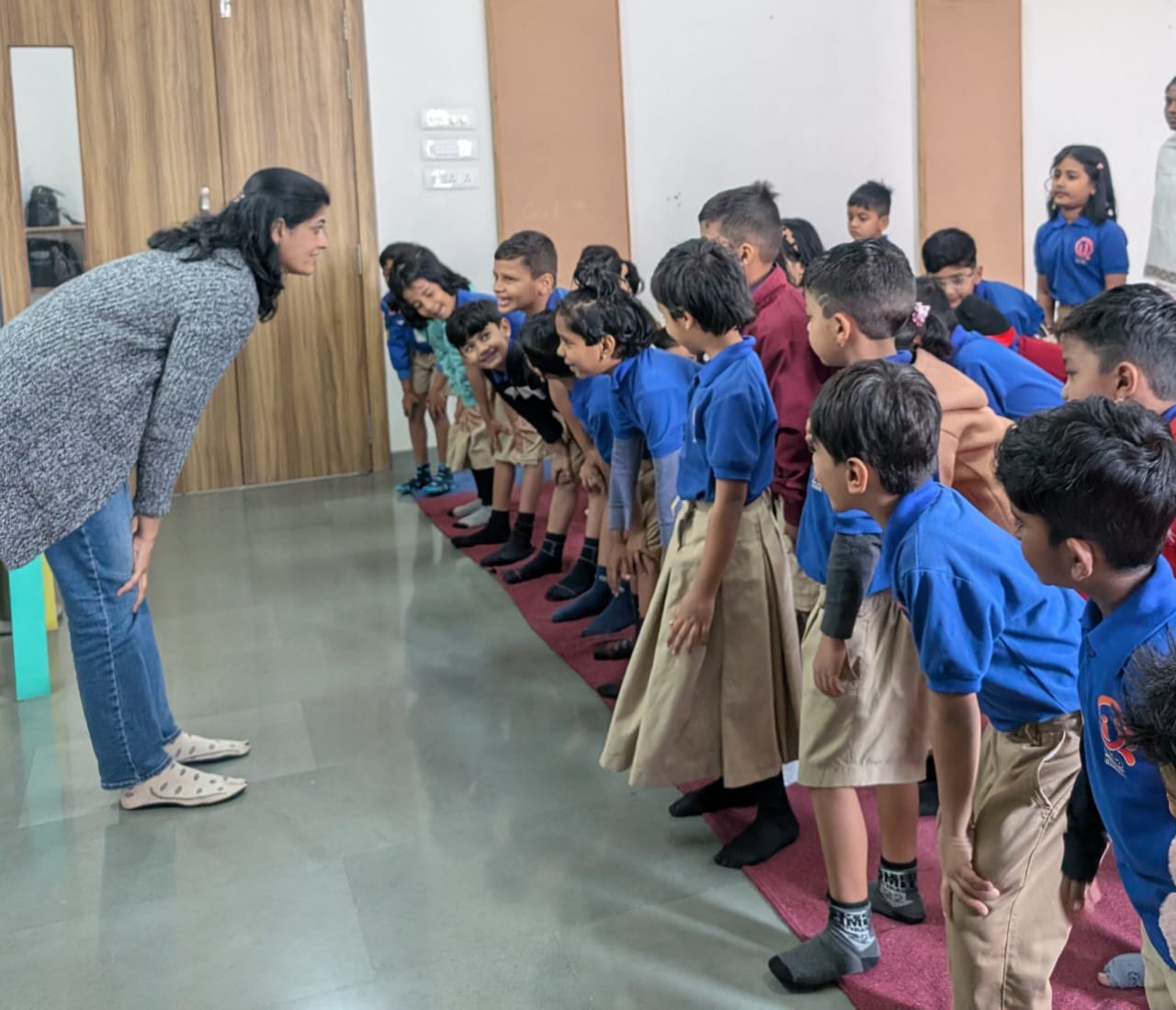
Where would you like to start?
Everyone learns in different ways. Choose the option that feels right for you.
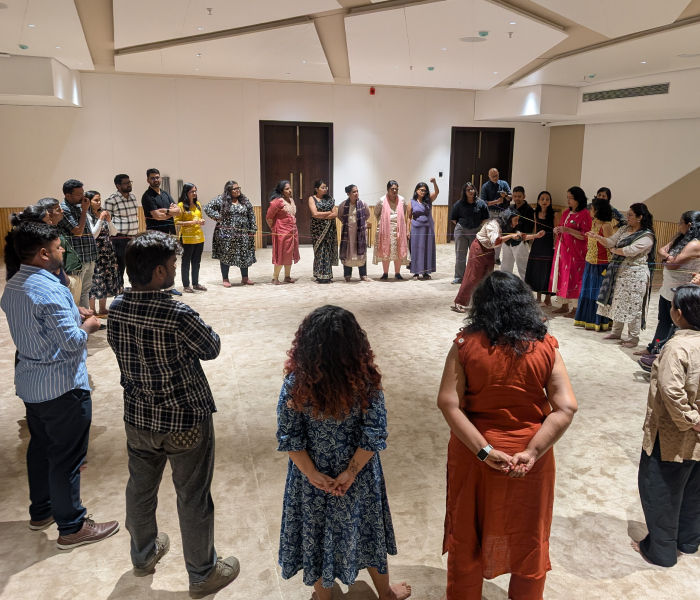
Conduct SAHAJ sessions with confidence
Ready-to-use session plans, facilitator guides and other materials to bring comprehensive sexuality education into your classroom.
View resourcesFor Educators
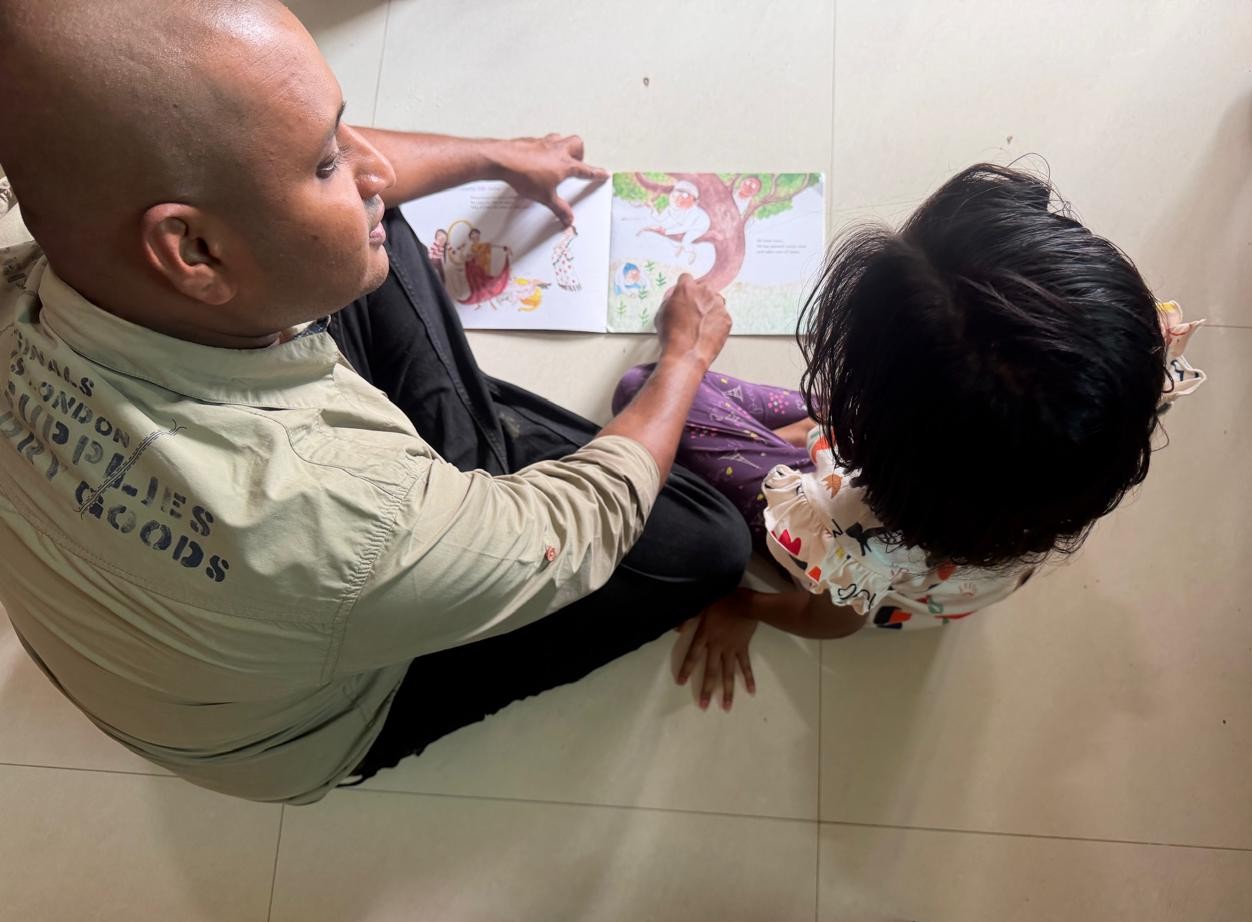
When your child asks questions…
Calm, honest ways to answer difficult questions at any age – plus a guide to becoming a ‘SAHAJ’ parent.
Find answersFor Parents
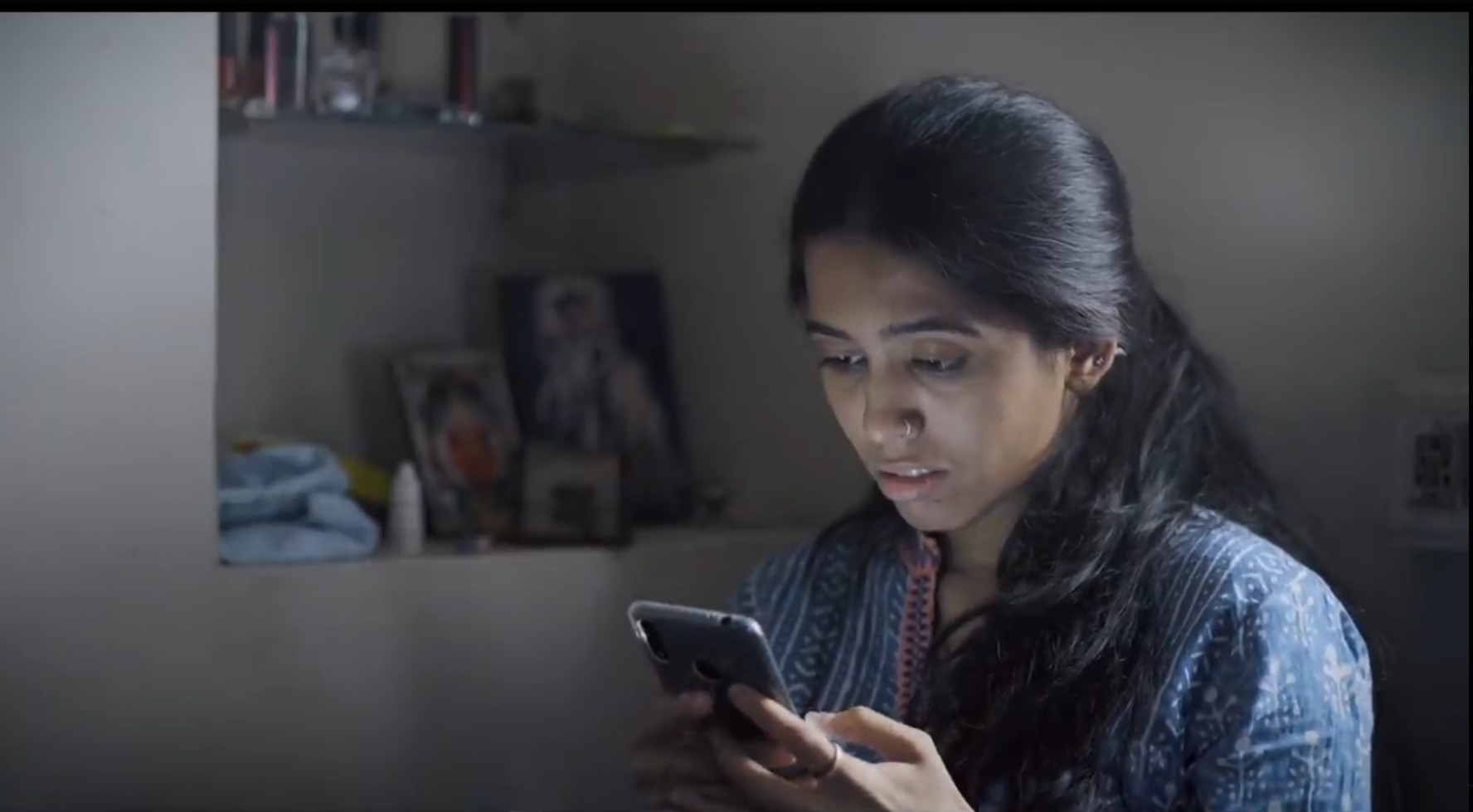
Ask Prayas anonymously
Judgement-free answers about your body, feelings, relationships and staying safe.
Ask a questionFor Young People
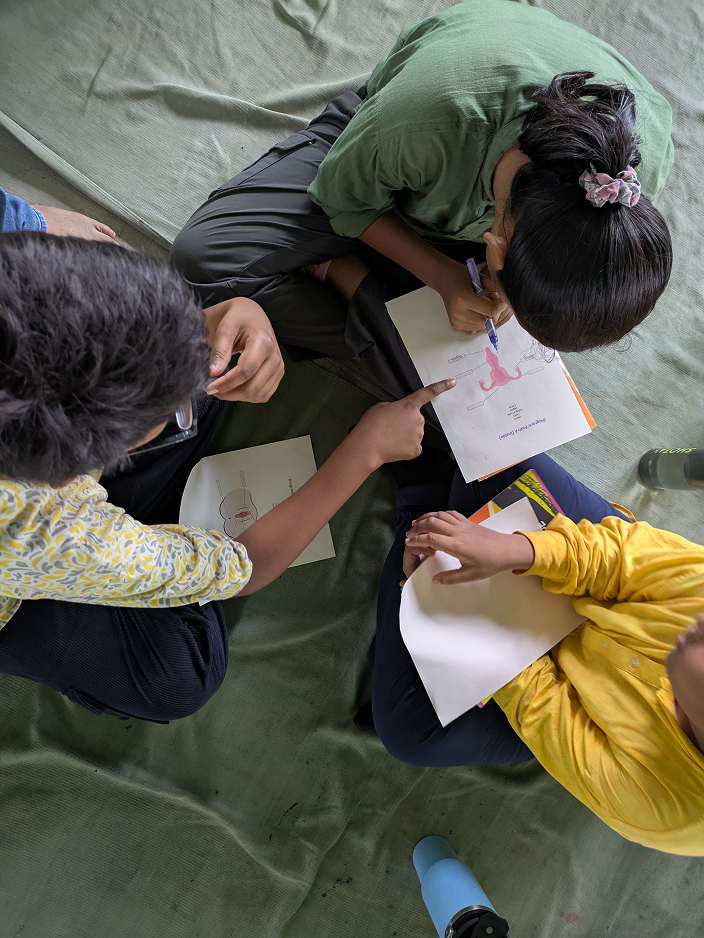
The Curriculum
What is SAHAJ?
SAHAJ is a school-based, age-graded comprehensive sexuality education curriculum developed by Prayas. It moves with children from early primary to secondary school - building knowledge, values and skills through interconnected themes.
Relationships and Communication
Sexual and Reproductive Health
Sexuality and Sexual Behaviour
Skills for Health and Wellbeing
Violence and Staying Safe
The Human Body and Development
Gender
Values, Rights, and Diversity
Our reach so far
A growing movement across schools and communities.
0
Children and young people learning SAHAJ
0
Schools and communities where SAHAJ is implemented
0
Educators we have reached
0
Parents we have reached
0
Districts where SAHAJ is implemented
Explore & learn
Videos, podcasts, articles and blogs - in Marathi, English and Hindi
- All
- Video
- Podcast
- Articles & blogs
All


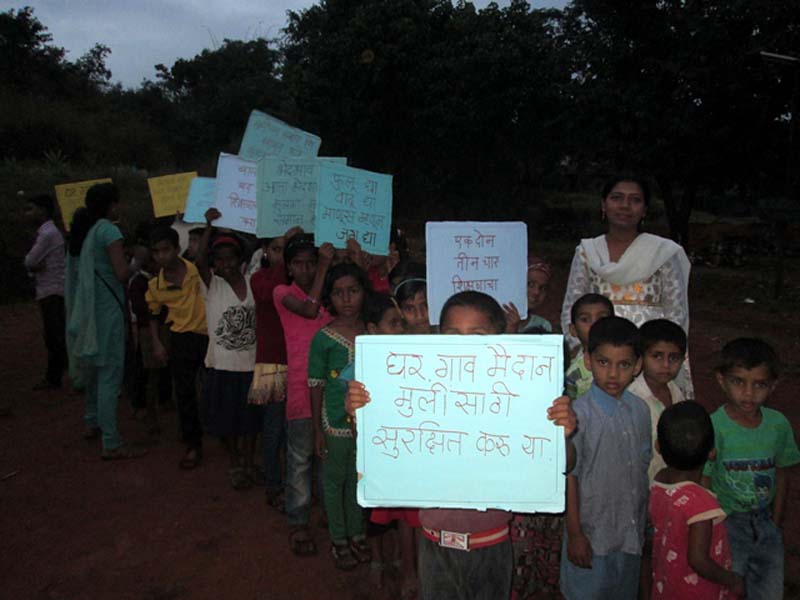



Video
Podcast



For Parents
Not sure how to answer? Start here.
Browse honest, age-appropriate responses to the questions children actually ask - searchable by age, topic and language.
Children's questions, your answers!Ages 3–5
“Where do babies come from?”
Ages 6–8
“Why are some parts of my body called private?”
Ages 9–11
“My friends say they watch porn. What is it?”
Ages 12–14
“Someone sent me a sexual picture. Should I forward it to my friends?”
Ages 15–18
“My periods are painful and irregular. Is this normal?”
Voices from the ground
Stay connected with our work
Keep up with the latest news and events and resources. Subscribe to our newsletter